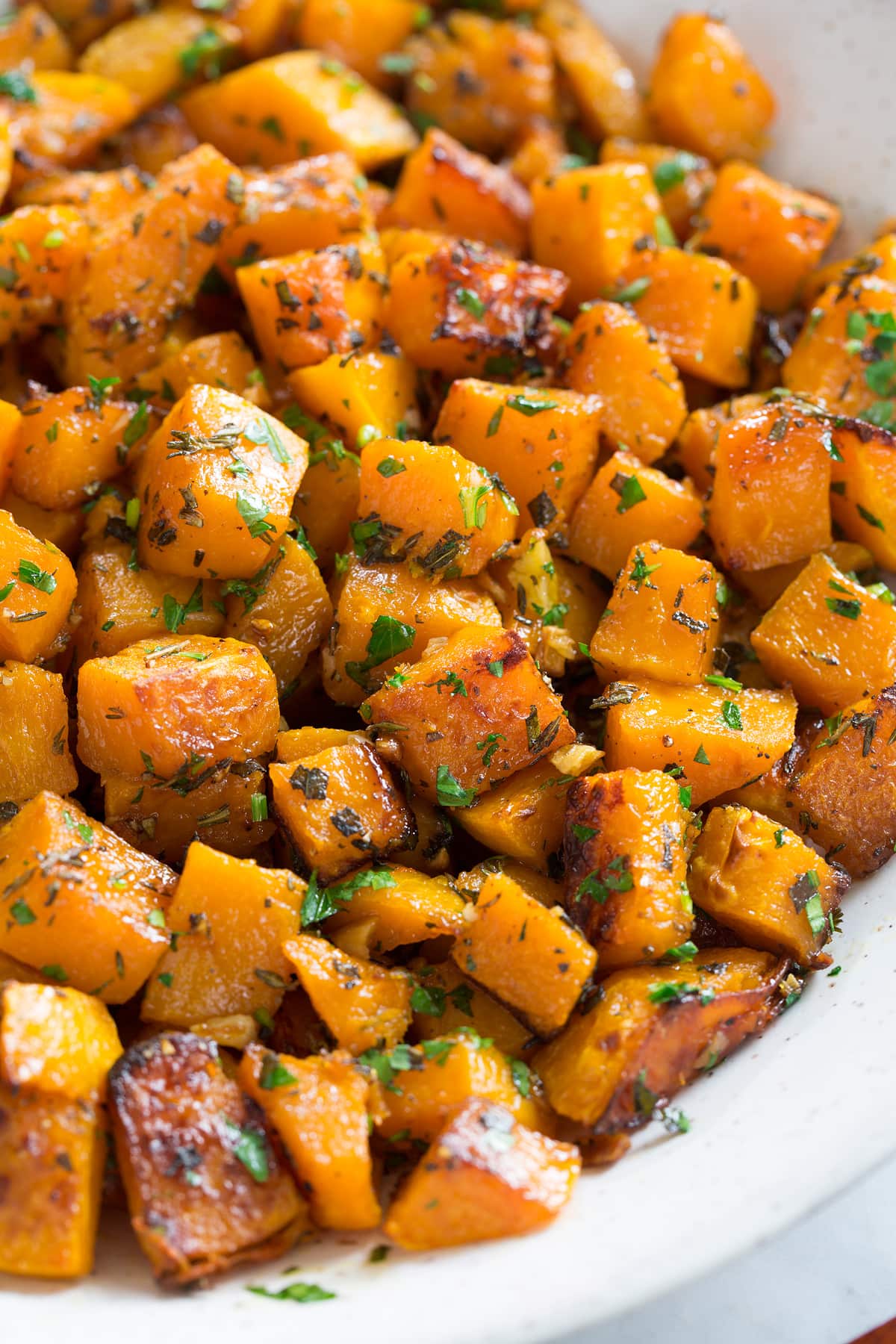
Achieve Perfect Roasted Butternut Squash: Tips for Golden Caramelization
There are few culinary delights as comforting and satisfying as perfectly roasted butternut squash with garlic and herbs. This humble root vegetable, when treated right, transforms into a symphony of sweet, nutty, and savory flavors, boasting irresistible golden, caramelized edges. Far from just a simple side dish, it’s a versatile ingredient that elevates weeknight dinners and shines brightly at holiday tables. But what's the secret to achieving that coveted caramelization – the crisp-tender texture and deeply flavored exterior that makes every bite a joy? It comes down to a few critical techniques, from selection to oven temperature, which we'll explore to ensure your next batch of herb-roasted butternut squash is nothing short of perfection.The Foundation: Selecting and Preparing Your Butternut Squash
The journey to perfect caramelization begins even before the squash hits the oven. The quality of your raw ingredient and how you prepare it lays the groundwork for success.Choosing the Perfect Squash
While any butternut squash from your local grocer can be roasted, selecting the right one can significantly impact flavor and texture. Look for these indicators:
- Weight for Size: A good butternut squash should feel heavy for its size. This indicates a denser flesh with less water content, translating to more concentrated flavor and better caramelization potential.
- Firm, Matte Skin: The skin should be uniformly tan, firm, and matte, not shiny. Avoid squash with soft spots, green patches (indicating immaturity), or cracks, which can lead to spoilage.
- Long, Thick Neck: The neck of the butternut squash contains the most usable flesh and fewer seeds compared to the bulbous base. A long, thick neck means more delicious meat to roast!
Short on time? Many stores offer pre-cut butternut squash cubes in the produce section. While a bit more expensive, they can be a convenient option. Just be sure to check them for freshness and avoid any pieces that look dry or discolored.
Prepping for Success: Peeling and Cutting
Proper preparation is paramount for even cooking and optimal caramelization. The biggest mistake people make is uneven or oversized cuts.
- Peeling: Butternut squash skin is tough. For easier peeling, you can microwave the whole squash for 1-2 minutes to soften the skin slightly. Use a sturdy vegetable peeler or a sharp chef's knife to carefully remove the skin. For safety, it’s often easiest to cut the squash in half first (between the neck and bulb), then peel each section.
- Seeding: Once peeled, slice the bulbous end in half lengthwise and scoop out the seeds and stringy bits with a spoon. The neck usually doesn’t contain seeds.
- Uniform Cubes are Key: This is where most recipes go awry. Aim for uniform 1-inch pieces. This size ensures that each cube cooks through, becomes tender, and develops those desirable crispy, caramelized edges at the same rate. Larger pieces will stay hard in the center, while smaller ones might turn mushy. Uneven pieces will lead to a mix of textures—some perfectly cooked, others underdone or overcooked. Consistency is king here.
Mastering the Flavor Profile: Garlic, Herbs, and Beyond
While the natural sweetness of butternut squash is delightful on its own, adding aromatics and seasonings elevates it to another level. The combination of roasted butternut squash with garlic and herbs is a timeless classic for a reason.The Classic Combination: Garlic and Fresh Herbs
The synergy between sweet squash, pungent garlic, and earthy herbs is simply magical. Your basic toolkit should include:
- Olive Oil: A good quality extra virgin olive oil not only helps conduct heat for better browning but also adds a fruity, peppery note.
- Garlic: Minced garlic adds a foundational savory depth. However, it's prone to burning at high temperatures, so timing is crucial (more on this later!).
- Fresh Herbs: Rosemary and thyme are the quintessential choices, offering woody, aromatic notes that beautifully complement the squash. Finely chop them to distribute their flavor evenly.
- Salt and Pepper: These are non-negotiables, enhancing all the other flavors.
Beyond the Basics: Enhancing Your Roasted Butternut Squash
Don't be afraid to experiment! The beauty of roasted butternut squash is its versatility. Consider these additions:
- Other Herbs: Fresh sage (especially with a hint of brown butter), oregano, or even parsley added at the end can provide different aromatic profiles.
- Spices: For a warming, cozy twist, a pinch of cinnamon, nutmeg, or allspice can be transformative. A touch of smoked paprika or a tiny bit of cayenne pepper can add a subtle smokiness or a gentle kick. Cumin offers an earthy, savory dimension.
- Sweet & Savory Glaze: A drizzle of maple syrup, a spoonful of brown sugar, or even a splash of balsamic glaze added during the last few minutes of roasting can intensify caramelization and add a wonderful sheen.
Achieving Golden Caramelization: Roasting Techniques That Work
This is the core of achieving that perfect finish. Understanding the science behind roasting will empower you to create truly spectacular garlic and herb butternut squash every time.High Heat is Key: The Maillard Reaction Explained
For golden, crispy edges, high heat is your best friend. A temperature of 425°F (220°C) is ideal. This high heat promotes the Maillard reaction – a chemical process between amino acids and reducing sugars that gives browned food its distinctive flavor and color. It’s what creates that irresistible crust on your squash, transforming its natural sugars into complex, savory-sweet notes.
Preventing the Steam Trap: The Uncrowded Pan Rule
One of the most common pitfalls is overcrowding the baking sheet. When too many squash cubes are packed together:
- They release moisture, which has nowhere to escape.
- Instead of roasting, they steam in their own juices.
- The result is soft, pale, often watery squash with no caramelized edges.
To avoid this, ensure your squash cubes are in a single layer with ample space between them. If necessary, use two baking sheets. Air circulation is vital for evaporation and promoting that coveted browning. This is a non-negotiable step for truly golden, crispy roasted butternut squash.
The Garlic Timing Trick
As mentioned, garlic burns easily at high temperatures, becoming bitter and unpleasant. To prevent this, hold back the minced garlic until the last 10-15 minutes of roasting. Toss the partially cooked squash with the garlic at this point, allowing it just enough time to soften and become fragrant without scorching. This ensures your roasted butternut squash with garlic and herbs has a beautiful, mellow garlic flavor.
Flipping for Even Browning
For uniform caramelization, give your squash a good stir or flip halfway through the cooking time. This ensures all sides get direct contact with the hot baking sheet, encouraging even browning and preventing one side from getting overly dark while the others remain pale.
Knowing When It's Perfect
Roast for approximately 25-30 minutes at 425°F, or until the squash is easily pierced with a fork (fork-tender) and boasts a beautiful golden-brown color with visibly caramelized edges. Don't be afraid to let it get deeply golden; that's where the best flavor lies!
Serving Suggestions and Creative Pairings
Perfectly roasted butternut squash with garlic and herbs is incredibly versatile and pairs well with an array of dishes, making it an ideal side for any meal.Classic Complements
- Roasted Meats: Its sweet and savory profile is a fantastic counterpoint to savory proteins like roasted chicken, pork tenderloin, or a simple grilled steak.
- Other Roasted Vegetables: Combine it with Brussels sprouts, carrots, or red onions for a colorful, harvest-style medley.
- Soups & Stews: Add it to a hearty chili or blend it into a creamy autumn soup for extra body and flavor.
Elevated Vegetarian & Vegan Meals
This Sweet & Savory: Roasted Butternut Squash, The Ultimate Versatile Side can be the star of plant-based dishes:
- Grain Bowls: Serve it over quinoa, wild rice, or farro with a handful of toasted nuts (pecans, walnuts), dried cranberries, and a drizzle of balsamic glaze.
- Warm Salads: Toss warm roasted butternut squash with fresh spinach or kale, crumbled goat cheese or feta, and a light vinaigrette for a satisfying meal.
- Pasta Dishes: Stir it into a simple pasta with brown butter and sage for a comforting fall meal.
Storing and Enjoying Leftovers
One of the best things about roasted butternut squash with garlic and herbs is that it holds up incredibly well, and some even argue it tastes better the next day as the flavors meld.Refrigeration Tips
Store leftover roasted squash in an airtight container in the refrigerator for up to 5 days. It's fantastic for quick additions to salads, grain bowls, or simply reheated as a side throughout the week. Reheat gently in the oven or an air fryer to help revive some of its crispy edges, or warm in the microwave if texture isn't a primary concern.
Freezing for Future Feasts
For longer storage, roasted butternut squash freezes beautifully for up to 3 months. To prevent the pieces from sticking together, spread the cooled squash in a single layer on a baking sheet and freeze until solid (this is called flash freezing). Once frozen, transfer the individual pieces to freezer-safe bags or containers. This makes it easy to grab just the amount you need for future meals. For more quick and easy recipes, check out Easy Garlic Herb Roasted Butternut Squash: Flavorful in 30 Minutes.
Achieving perfectly caramelized roasted butternut squash with garlic and herbs is truly an art form that’s well within reach for any home cook. By focusing on proper selection, uniform cutting, strategic seasoning, and key roasting techniques like high heat and avoiding overcrowding, you can consistently create a dish that boasts incredible depth of flavor and irresistible golden, crispy edges. This versatile side is a testament to how simple ingredients, given the right attention, can transform into something truly extraordinary. So go ahead, grab a squash, and get ready to impress your taste buds!
